DeFi Vaults
DeFi vault protocols are where coverage becomes a product users can actually choose. They expose Covered Vaults (opt-in coverage) alongside Base Vaults (no coverage), so premiums and claims are handled within the vault lifecycle.
Vault protocols like Morpho are the integration surface for users. They host the vaults representing the underlying strategy/exposure (often curated by groups like Steakhouse, Gauntlet and Sentora).
Base Vault vs Covered Vault
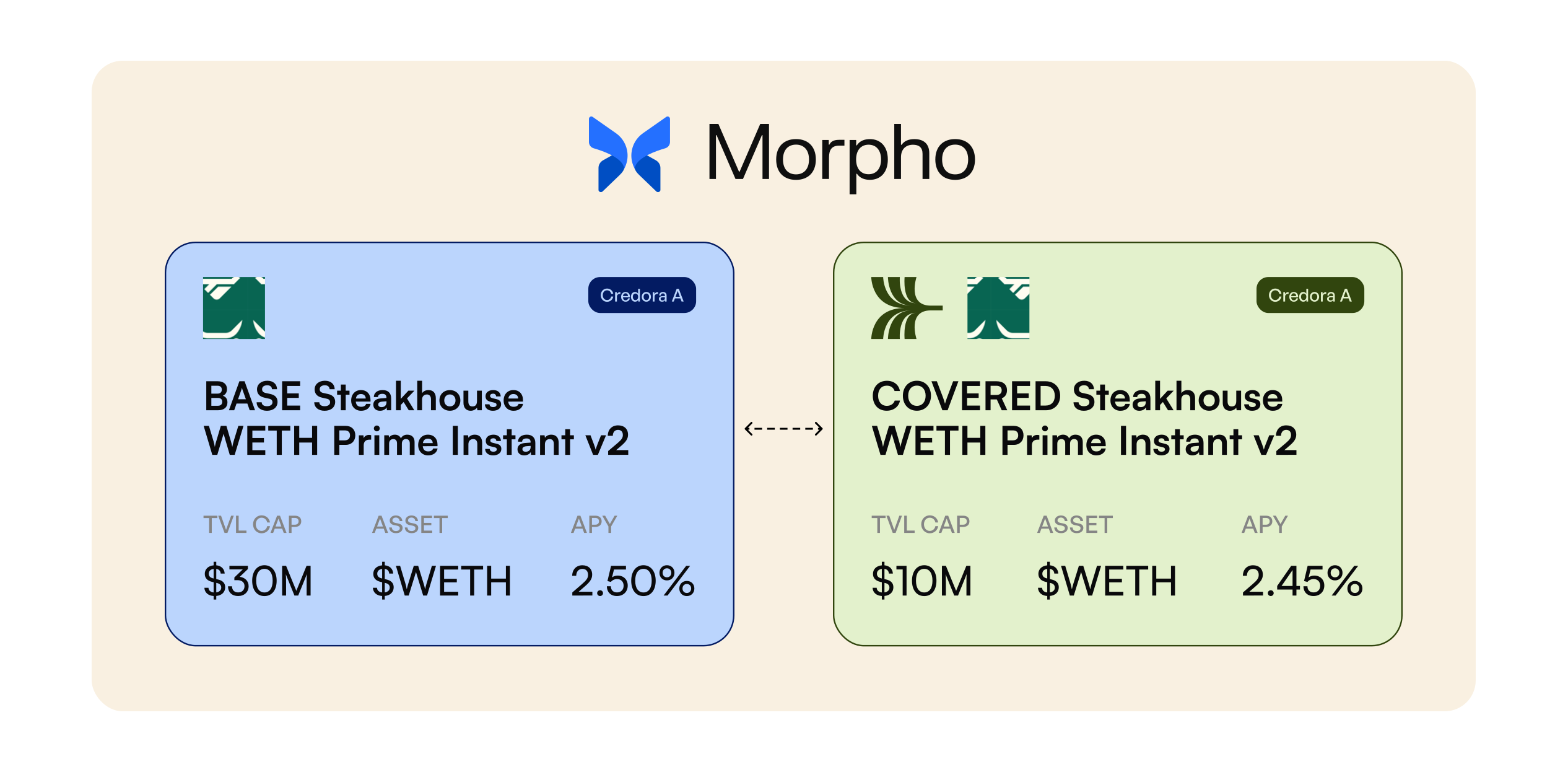
-
Base Vault (Unchanged): The original vault remains fully intact — same strategy, same TVL, same APY. No coverage logic, capital or risk is imposed on existing LPs.
-
Covered Vault (Opt-In Layer): A separate vault for LPs who want protection. Deposits are routed 1:1 into the Base Vault. In exchange for coverage, LPs accept a small APY haircut and receive partial principal protection up to the covered amount.
-
CoverPool (Risk Capital Layer): Each covered vault is paired with a dedicated CoverPool funded by restaked capital. This pool acts as the onchain source of protection capital.
FAQs
Q1. Where does a Covered Vault live — on the vault protocol or on Catalysis?
A Covered Vault lives on the underlying DeFi vault protocol (e.g., Morpho / Euler).
Catalysis provides the coverage logic and adapter integration, but the vault position and accounting remain within the vault protocol’s infrastructure.
Q2. Is the Covered Vault a different strategy than the Base Vault?
NO. The Covered Vault is designed to route deposits into the same Base Vault exposure.
The difference is the coverage layer: premium payments and claim crediting apply only to Covered Vault depositors.
Q3. What do users actually get when a claim happens?
When a covered trigger occurs, cover amount is credited back to the Covered Vault according to the coverage definition and limits. Users benefit through the vault’s normal accounting.